
About Gambela
Where is Gambela?
Geographically, the Gambela region belongs to the lowlands of grass, scattered forest and swamplands which sweep from the escarpment of the Ethiopian highlands, only fifteen miles east of Gambela town, westward across the South Sudan.
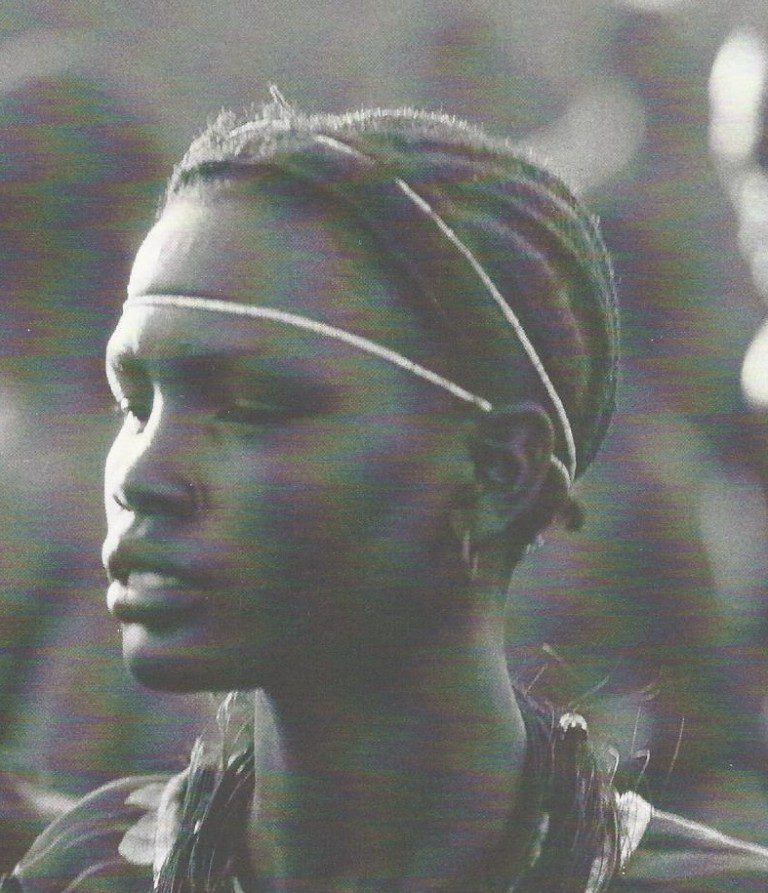
Who Lives There: Nilotics
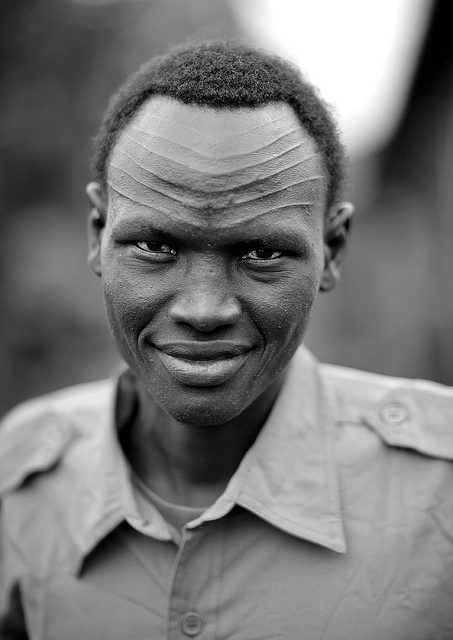
The region has long been predominantly peopled by the tall, thin, ebony-black Nilotics: Anuak cultivators and, more recently, pastoral Nuer. Their way of life is in timeless harmony with the land, their physical presence a graceful calligraphy against the endless sky. Having contacted American Protestant missionaries from the late eighteenth century in the Sudan and Ethiopia, many are Christians and many speak English, as well as probably more than one Nilotic language, and perhaps Arabic and Amharic.
By the late 1800’s, the Gambela region had entered Imperial Ethiopia’s sphere of influence. In 1902, the British ceded their competing interest in return for a trading enclave in Gambela town, which they retained until the Sudan shook off the Anglo-Egyptian government in 1957. In addition to setting borders which remain today, the 1902 Anglo-Ethiopian Boundary Agreement, impossibly, assigned Nuer Nilotics to Sudanese territory and Anuak Nilotics to Ethiopia.
Who Lives There: Highlanders
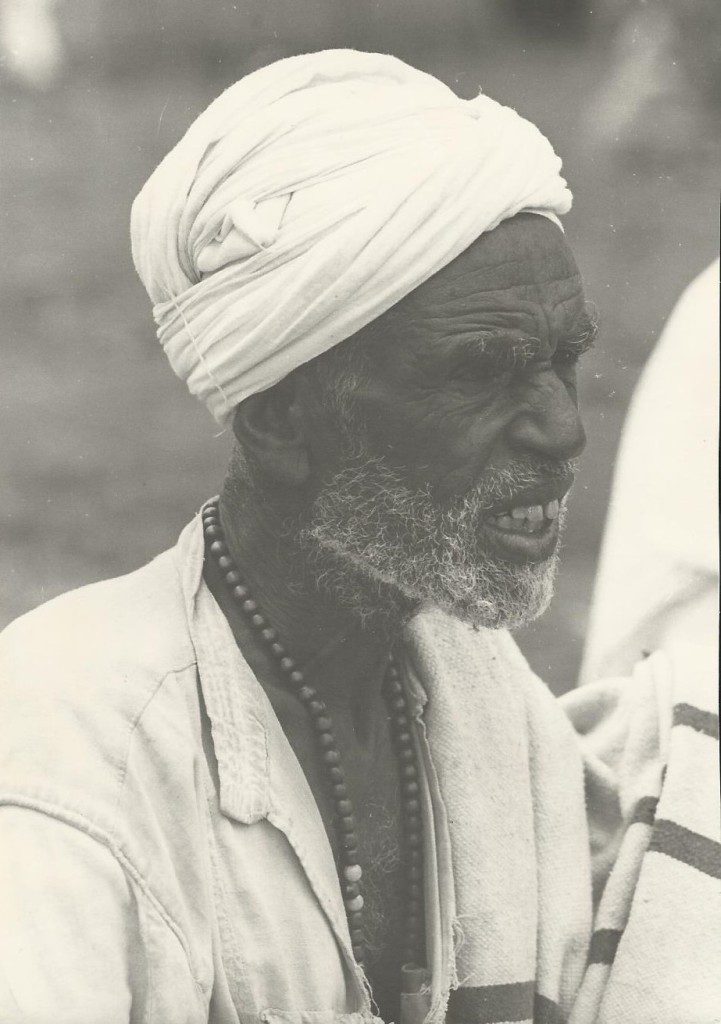
The geographic core of Ethiopia is the mountainous plateau, northeast of Gambela, from which come the Amhara and related ethnic groups. Here lies the core of Ethiopian identity, an identity tracing back to Ge’ez, an ancient language, precursor of both Amharic and Arabic, still spoken by priests of the Ethiopian Orthodox Christian Church. Highlanders trace their royal line back to Menelik I, son of Solomon and Sheba. Since the 1800’s these red-brown “highlanders” have been descending from the mountains to settle on or to “manage” the fertile lowlands.
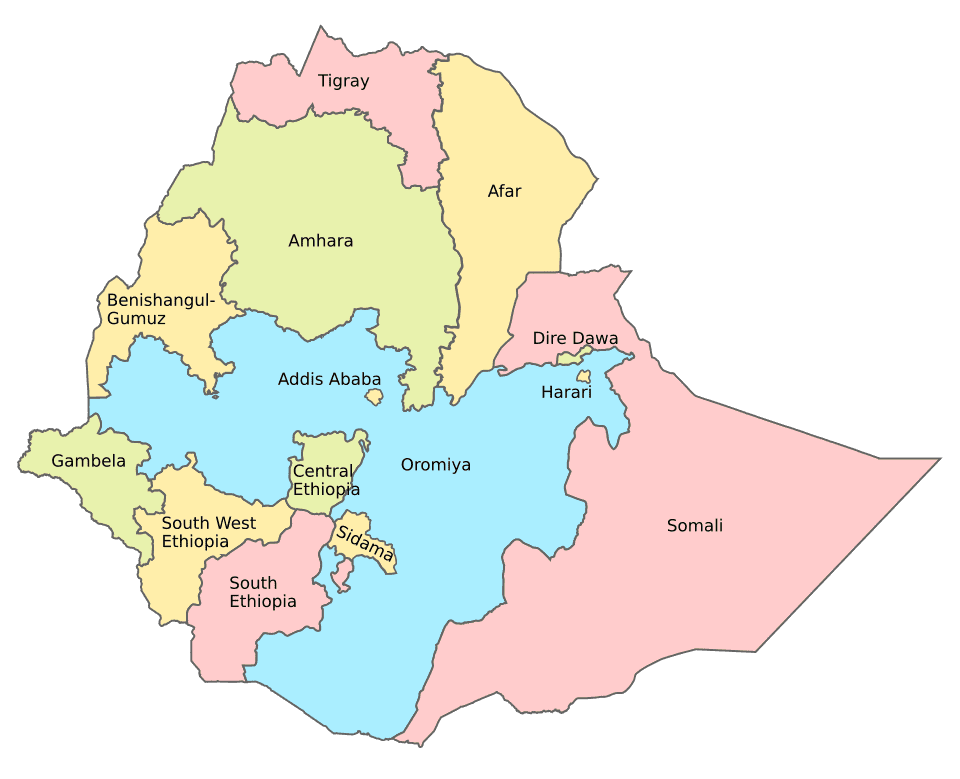
Gambela has been a member state of the Federal Democratic Republic of Ethiopia (FDRE) since 1991. (See Map) “Gambela” is used for the town, the region, and the Regional State. The Regional State is an ethnically based, theoretically independent, member state in the FDRE, as are each of the other twelve member states who send delegates to the national assembly.
Sudanese Refugees
Sudan’s Khartoum government, since its independence, has become increasingly northern-Arab-Muslim-centered, and, especially where oil was discovered, increasingly rapacious towards the Nilotic, Black, animist-and-Christian southerners who live on land it desires. Since the late 1960’s, repression, genocide, and waves of civil war have sent floods of refugees fleeing into Ethiopia’s nearby Gambela region. Tragically, in the aftermath of South Sudan’s triumphant 2011 independence, civil war between factions in the new nation has sent yet more refugees.
These refugees are mostly Nuer, housed in camps administered mostly by the UN, other foreigners, and highlanders, and located mostly on Anuak land. There are currently six camps in the Gambela region, hosting about 450,000 refugees—far outnumbering the region’s base population. To this may be added internal refugees from the Tigray War of 2020-22.
Resources
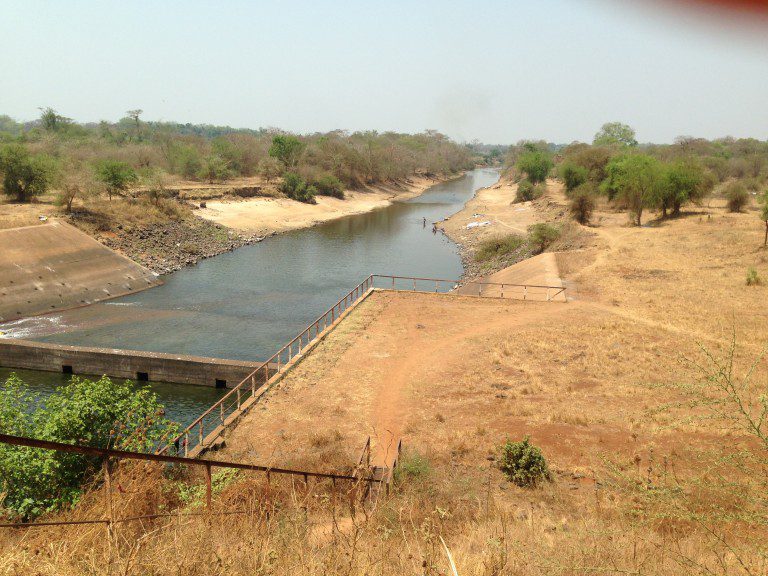
Tension is frequently high over land amongst Anuak, Nuer and Highlanders, and sometimes breaks out into violence. Anuak feel the land was, and should forever remain, theirs. Nuer feel they should be free to graze their cattle and pursue their lives wherever they wish. Highlanders perceive all land as belonging to the state, to be disposed of as it sees fit. And, to Hannah, some of the foreign developers–whether from India, Saudi Arabia, Israel, China, Japan, Scandinavia, the US, or the UK–just seem to believe all resources–land, water, oil, gold, animal, human–are to be disposed of as they see fit.