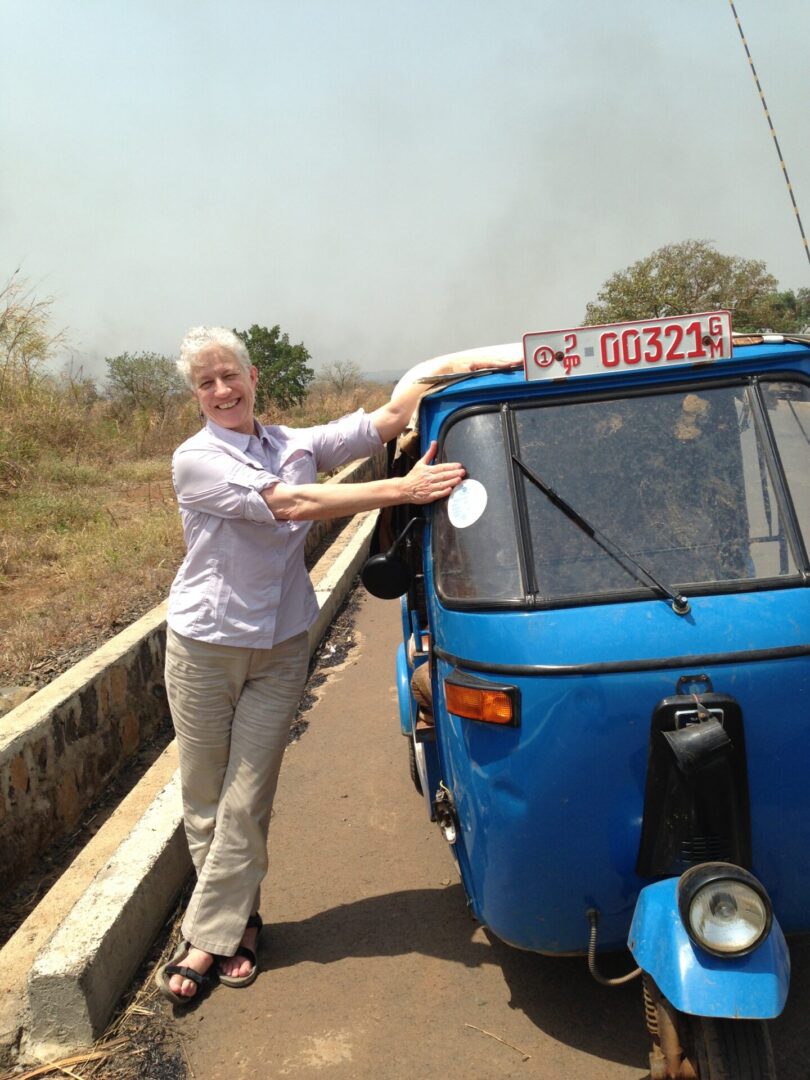
Global Village Mysteries
The Series
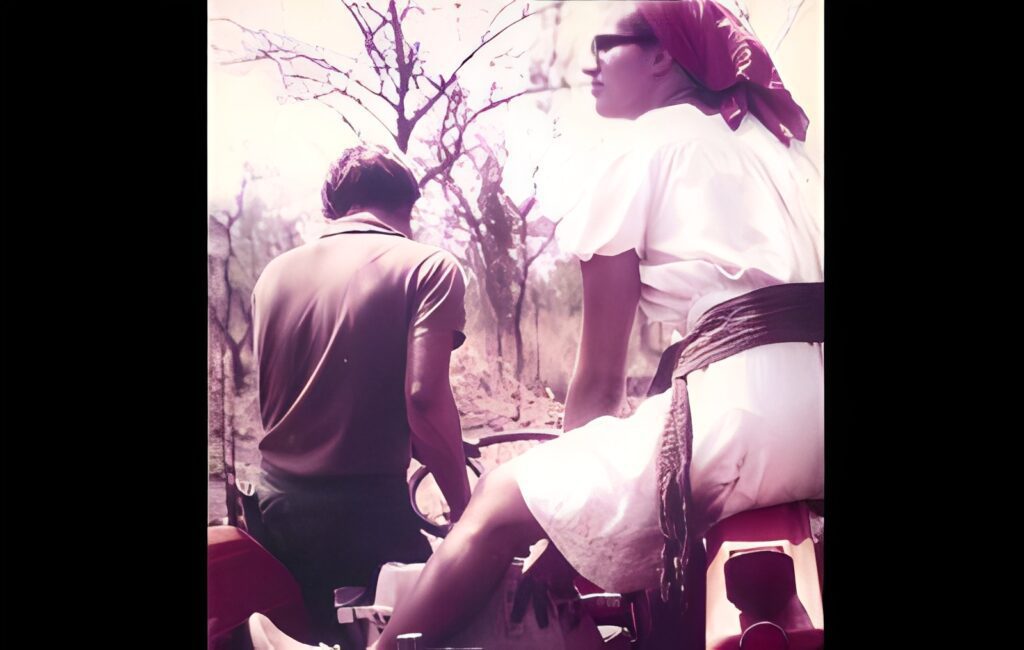
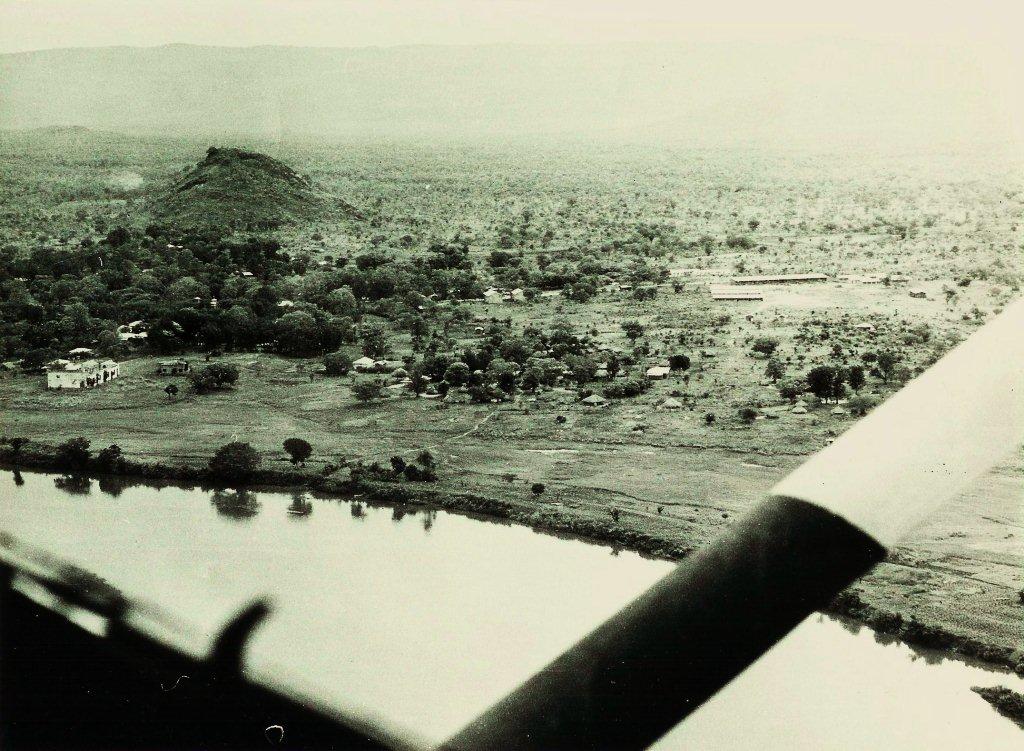
Gambela is a village
Gambela was a village of little more than 1,000 souls in a remote corner of Ethiopia when Hannah Craig was born in the American mission station nearby. Returning to the US only to train and raise funds for her work as a nurse, she has remained there ever since–through marriage to a fellow missionary, the births of her children, the death of her husband, regime changes, the official expulsion of missionaries from the country, and her own break with the missionary framework.
Gambela is global
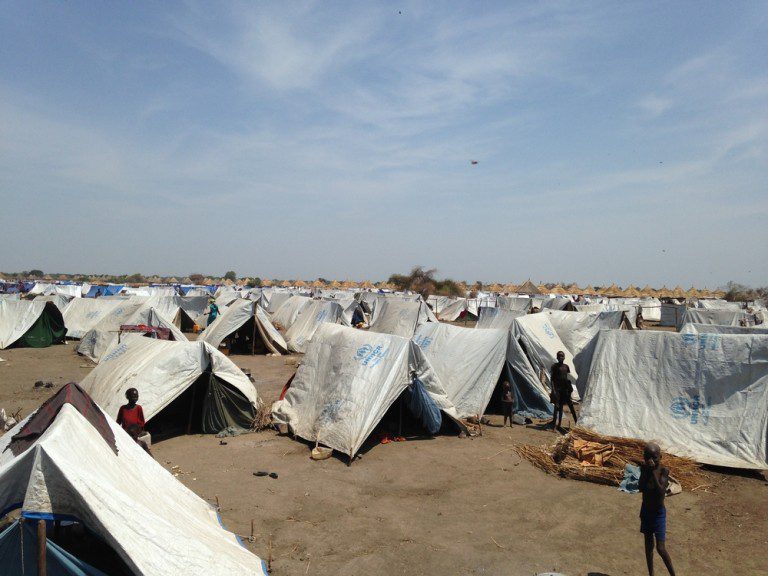
Although the village has grown to a town of over 30,000, it is still in many ways like an extended village, and Hannah lives there as if it were. The company sipping Harar coffee at her round kitchen table might include: an Anuak elder from a nearby village, a Highlander doctor-priest from a Portuguese Catholic order of the 1500s, a bureaucrat from the Ethiopian Highlands of the ancient Orthodox-Christian faith; an Indian manager from a flower plantation downriver; her fellows from an Anuak women’s gardening coop; and workers from the UN of nations running camps for refugees from the always-changing but never-ending civil war in neighboring Sudan.
The people who gather around Hannah’s always-simmering stew pot include such people as an Anuak elder whose village has been burned to the ground, ground a foreign agribusiness wants to lease from the government; a Canadian journalist deeply committed to publicizing events like these and arresting them before she is arrested herself; a Pakistani worker at the nearby SaudiStar megafarm; a Highlander priest from a Catholic order founded by the Portuguese in the 1500s, deeply involved in healthcare near the agribusiness developments; an Anuak fellow-member of a women’s micro-financed gardening coop, a target of controversy from agribusiness and conservative Anuak males alike; and, always, workers from a UN of nations in the several large camps near Gambela for refugees from the civil war in neighboring Sudan.
Solving Mysteries to Bridge Gaps
When violence threatens to disrupt a careful balance of interests, Hannah is often the only one who knows enough people from disparate sectors to get people to sit down and talk.
It is not uncommon for someone, a worried relative or elder or bureaucrat, to quietly drop a word in her ear to ask if she could look into a situation, and see what she can do to set things right. Murder may have been done, or cattle stolen, a woman violated, a source of water or fish used without permission. Anything, from a village spat to the collision of global crosscurrents, that could rupture the skin of accord between jostling parties of any kind; relatives, tribes, ethnic groups, political parties, cultivators and herders, husband and wife, local farmers and foreign developers. Hannah is only too happy, in general, to oblige. She’s just trying to keep people she cares about from hurting each other.
Deborah and Hannah in Gambela
Deborah is glad Hannah took over the series she intended to write (See blogs “The Global Village” and “Coming of Age“), because it allows her to spend more time in Gambela, a place of central importance to her life. (See Deborah Rice page) She once lived there, working with Sudanese refugees through Church World Service and the United Nations High Commission for Refugees, giving classes in sewing, health and English, doing home visits for leprosy, and helping cultivate experimental crops. She met her husband there.
Deborah is now working on Global Village Mystery #2, Tigray Claws.